
Review
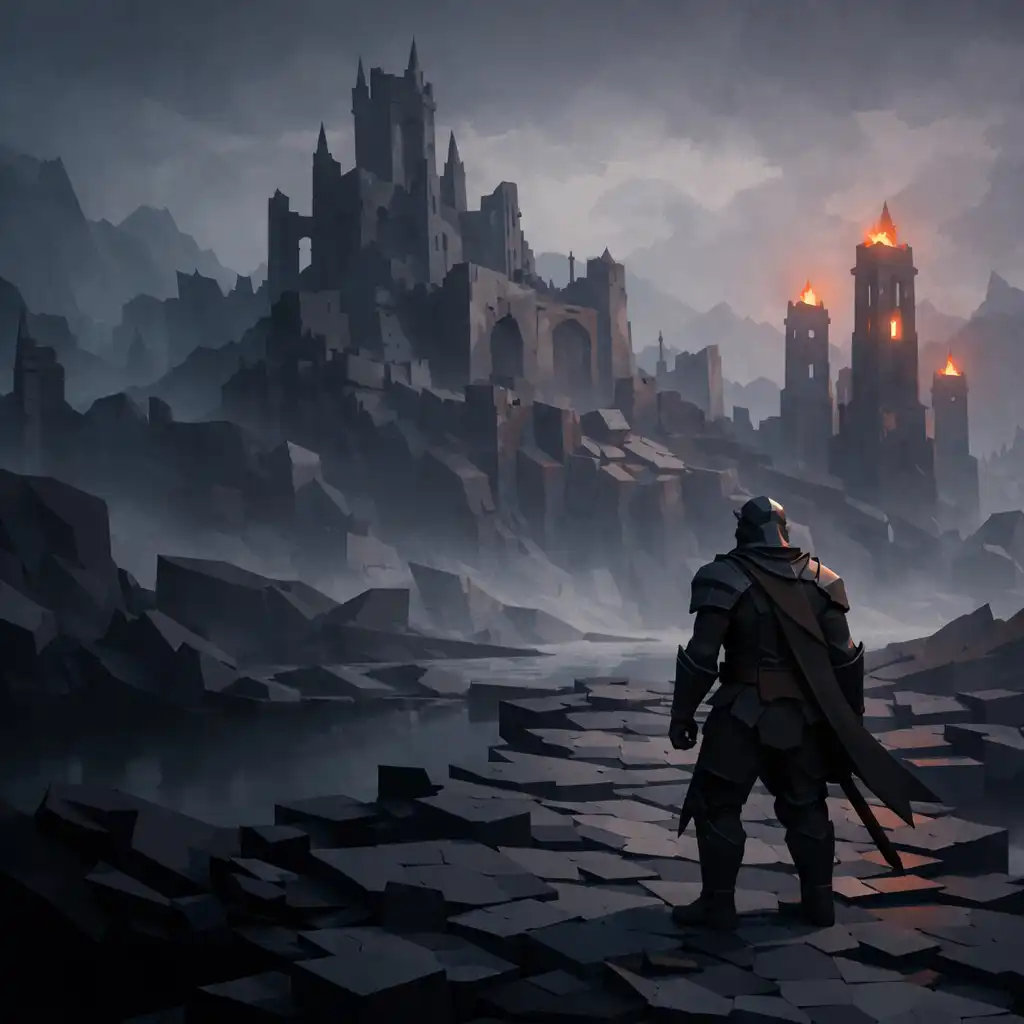
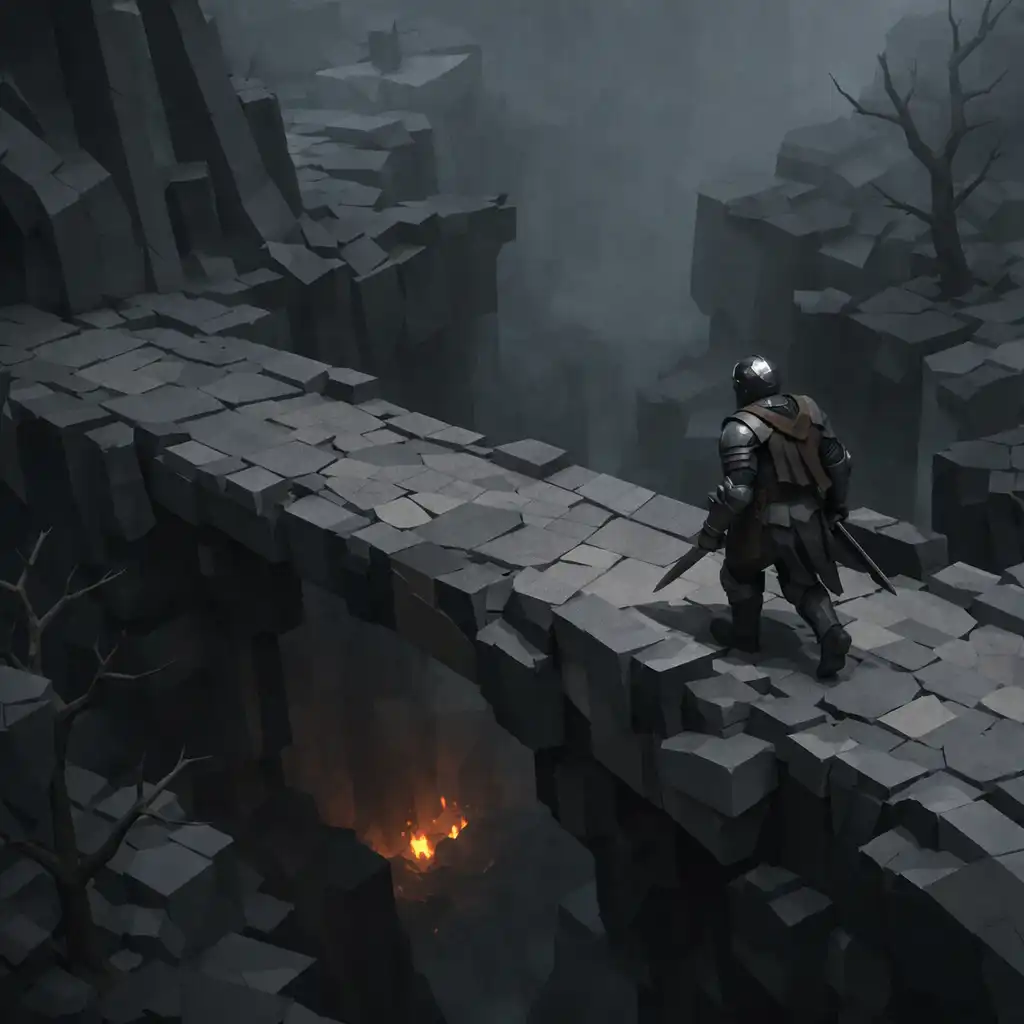
A bridge built for hesitation
Its best fights turn a narrow path into a lesson about spacing and nerve; its weaker stretches leave too much silence between meaningful decisions.
Verdict: A precise trial of movement and resolve.
Read reviewGamezoria review desk
This archive gathers considered criticism of hardcore RPGs, souls-likes, and dark fantasy games. We weigh the immediate pull of play against the details that endure after the first difficult hours: practical feel, lasting ideas, and the particular shape a world leaves in memory.
Fresh entries
New review records from across Gamezoria’s coverage, where each entry keeps its critical angle, practical facts, and route into deeper reading close at hand.
Review
Its best fights turn a narrow path into a lesson about spacing and nerve; its weaker stretches leave too much silence between meaningful decisions.
Verdict: A precise trial of movement and resolve.
Read reviewReview
A duel-first adventure with an exacting rhythm, memorable boss spaces, and a campaign that asks players to learn its language rather than chase spectacle.
Verdict: Demanding, lucid, and best met patiently.
Read review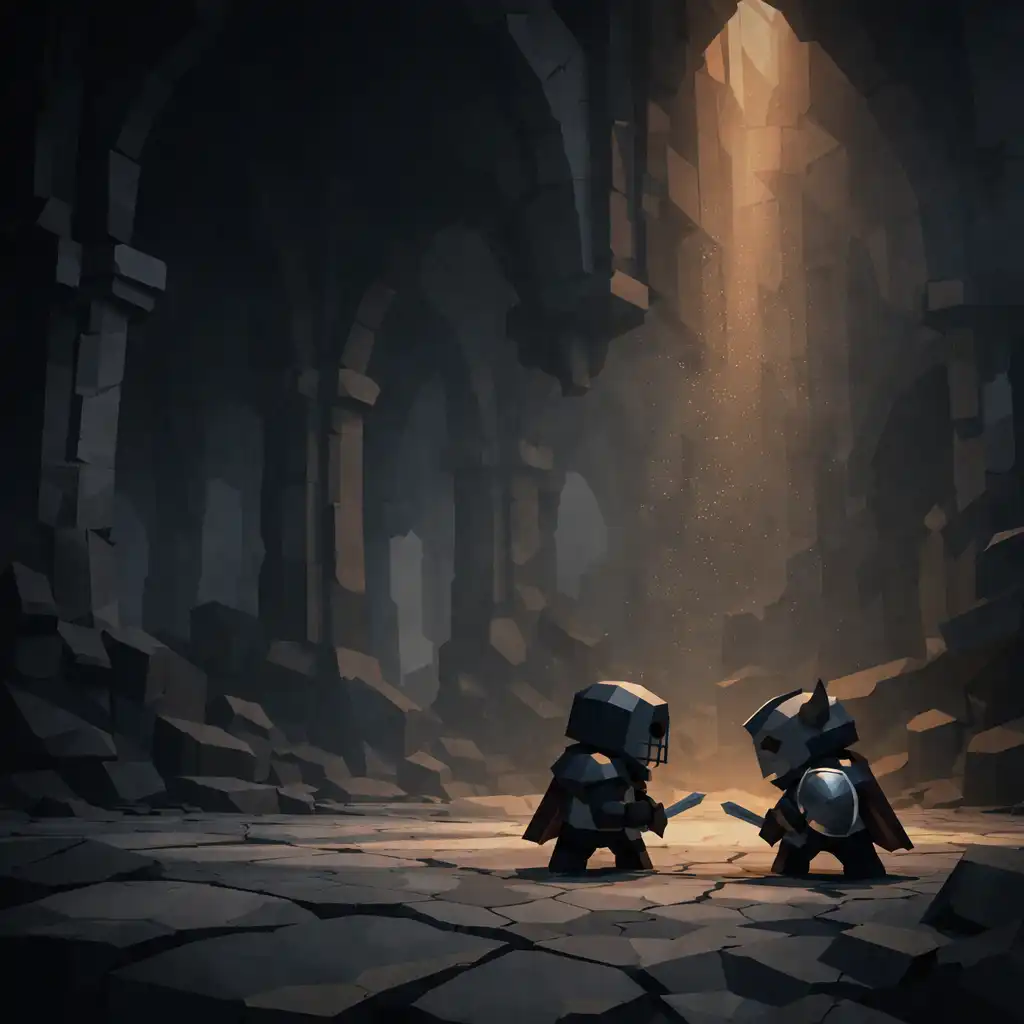
Review
Atmosphere and encounter craft keep this austere campaign alert even when its progression systems lose some of their early clarity.
Verdict: A haunted world with sharp edges.
Read reviewReview record
Exploration is its argument: every shortcut matters, while a few late detours feel more punishing than revealing.
Verdict: Rich discovery, uneven direction.
Read reviewOur critical lens
A Gamezoria review considers the whole play experience, not only difficulty or spectacle. We ask what a game teaches, how clearly it communicates, where its craft carries emotion, and whether its demands return something meaningful to the player.
We look at readability, timing, build expression, enemy patterns, bosses, and whether challenge rewards learning. Builds and boss strategies matter to our specialist coverage, but a review follows the features that genuinely shape the game at hand rather than ticking a fixed list.
We pay attention to level design, environmental storytelling, lore texture, art direction, and the emotional force of a place. Dark fantasy has many registers, and we ask whether a world invites attention instead of relying on obscurity alone.
Controls, pacing, technical friction, and performance context all affect the encounter between player and game. We consider whether systems support the intended rhythm, where roughness interrupts it, and whether a long journey respects the time it asks for.
Updates, developer changes, and evolving community knowledge can alter the context around a game, especially in a revisit. When later context is relevant, an entry should identify that perspective clearly rather than blur it into an original review.
Choose a trail
Browse criticism by the experience you seek: mastery earned under pressure, dread carried through ruins, or a long road whose commitment has to justify itself.
For the duel
These reviews follow games where weapons, bosses, build choices, and encounter rhythm carry the central argument. They are for players who want to know whether repetition becomes understanding, and whether a hard-fought victory changes the way a system reads.
For the ruins
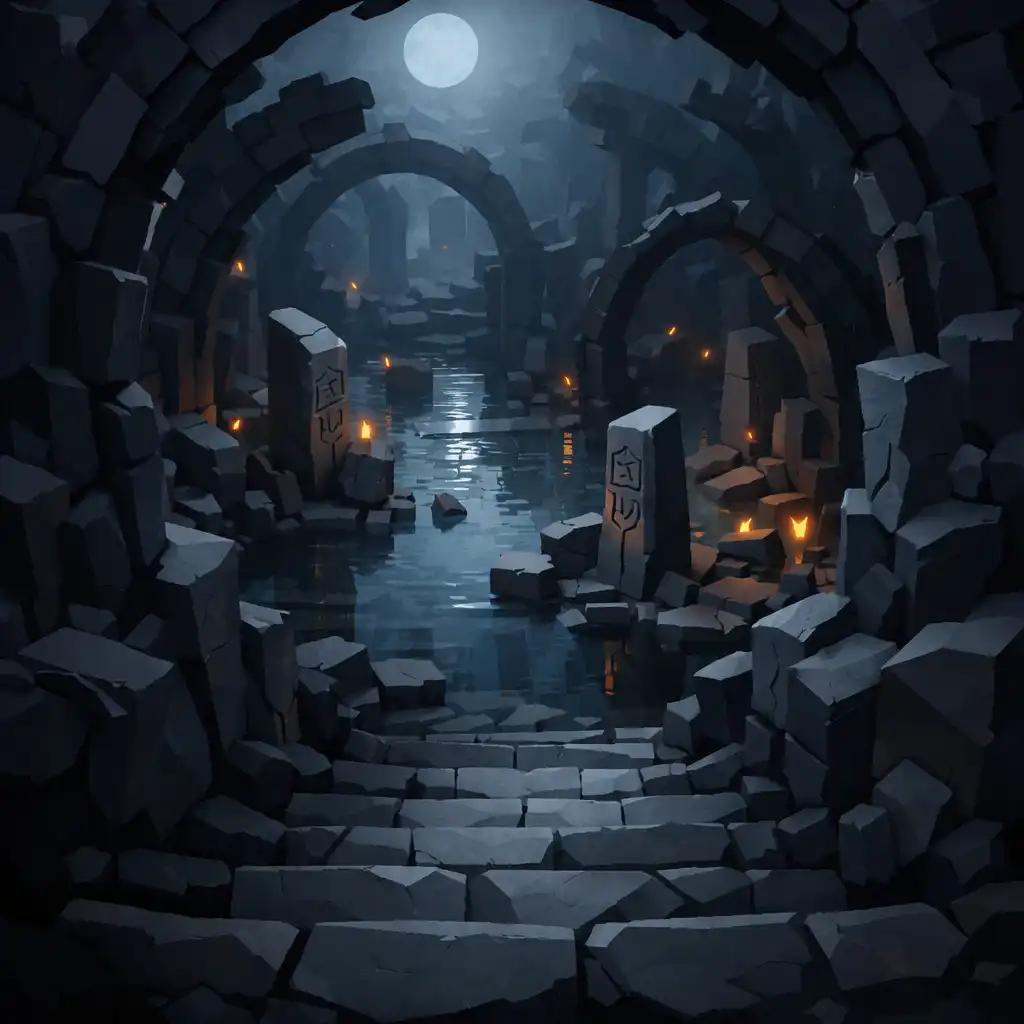
Here, atmosphere, level design, lore, and environmental storytelling take the lead. These reviews are for readers drawn to a distant doorway, a broken monument, or the quiet logic of a world that asks to be interpreted rather than simply crossed.
For the long road
These entries consider RPG progression, pacing, replay value, and the shape of the commitment a game asks from its players. They are for anyone deciding whether a vast campaign has enough craft, surprise, and purpose to remain rewarding over time.
Complete collection
Search the collection by game or keyword, then narrow the visible entries using the review details available in the archive.
Showing 6 reviews.
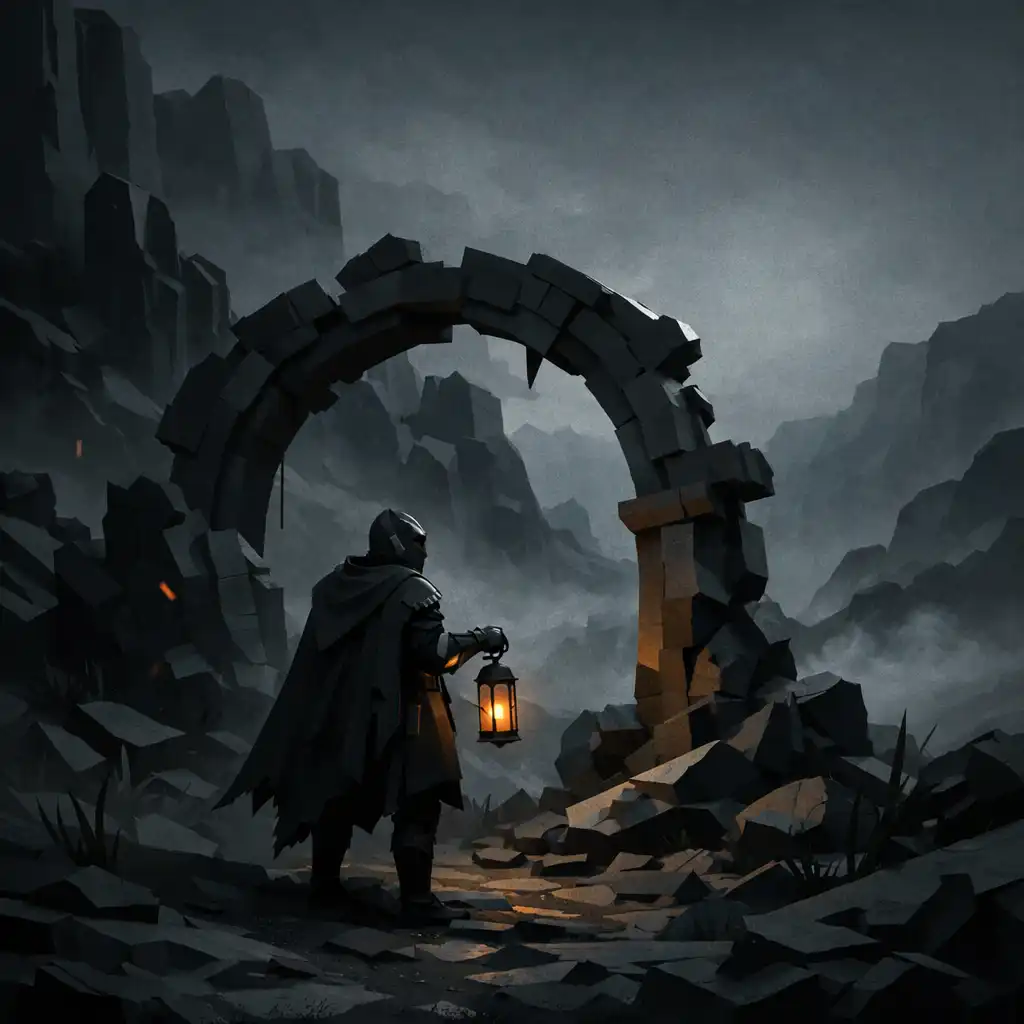
Review
A solemn journey whose best discoveries are carried by patient exploration and a lucid sense of place.
Verdict: Quietly absorbing.
Read review
Review
Its volcanic spectacle supports strong late-game tension, though technical friction occasionally breaks the march.
Verdict: Fierce, with rough seams.
Read review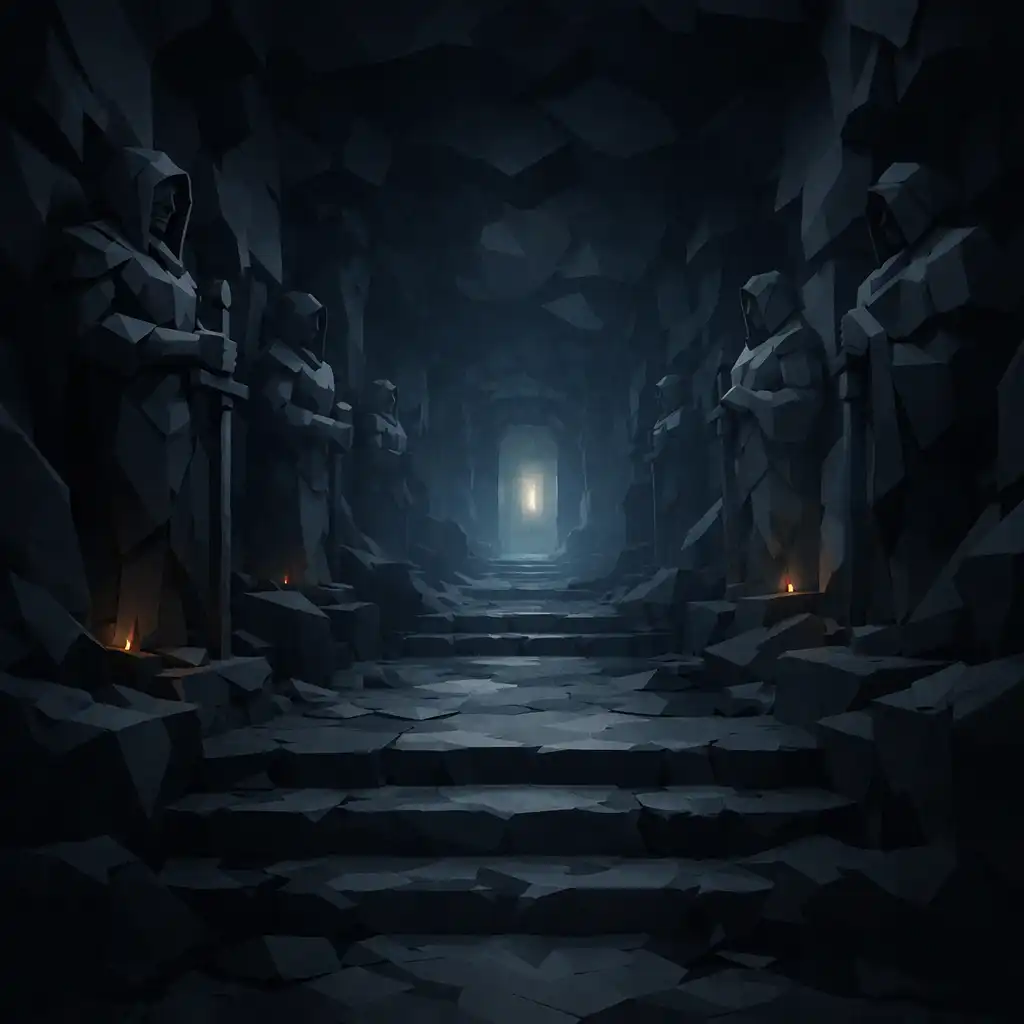
Review
A dungeon-led RPG that trusts players to observe, then sometimes leaves its strongest clues too deeply buried.
Verdict: Demanding discovery.
Read reviewReview
A close-quarters campaign with generous build experimentation and a final act that pushes its systems into memorable conflict.
Verdict: Strong systems, stern finish.
Read reviewFirst impressions
Its procession through ruined districts is atmospheric and strange, even when its pacing loses confidence near the middle.
Verdict: Promising atmosphere.
Read reviewReview
A long campaign earns its scale through changing landscapes, although several progression gates ask more patience than thought.
Verdict: Vast and unevenly rewarding.
Read reviewRevisit
A later revisit finds a more focused game, with update context that clarifies rather than rewrites its original strengths.
Verdict: Sharper in context.
Read reviewReview
A reflective road story where small encounters matter more than spectacle and careful pacing rewards a patient player.
Verdict: Patiently rewarding.
Read reviewTry another search term or clear the active filters to return to the full archive.
No older reviews remain in this archive view.
Annotated shelf
This shelf gathers reviews selected for the questions they keep raising, not merely for when they first entered the archive. They are useful companions for readers who want criticism that continues beyond the first verdict.
It remains a useful question about how much silence a game can hold before quiet becomes an invitation rather than a gap. Its strongest observations concern attention, not mere endurance.
This entry still helps frame the difference between a demanding world and a merely obstructive one. Its criticism follows the point where friction either deepens atmosphere or begins to thin it.
Its central question about guidance and discovery remains alive for anyone who values a dungeon that asks for observation. The review makes room for both the pleasure and cost of being lost.
Archive context
Review pages should identify their publication context and distinguish an original review from later revisit or update-aware criticism when that context is present. That helps readers understand what version of a changing game an argument addresses and why a later perspective may differ.
Platform, review type, date, and reading time help visitors judge what they are about to read. These labels appear on individual entries where available, so a reader can approach a review with useful context without mistaking it for exhaustive technical testing.
The threshold remains open
Continue into the complete collection of Gamezoria reviews, where practical details and close criticism meet to help you choose a difficult world, a worthy road, or a challenge that will stay with you.
Browse all game reviews