Gamezoria editorial archive

Lore Archive

Beyond item descriptions, boss tactics, and release updates, this is Gamezoria’s room for reading the worlds around the fight. Follow ruins, rulers, factions, symbols, creatures, and unanswered questions through essays, field notes, character studies, and thematic long reads on hardcore RPGs, souls-likes, and dark fantasy. Our English-language New Zealand archive separates what a player can observe from what a reader may infer, inviting returning players and first-time readers to begin with any thread that holds their attention. Start with the featured excavation, or take the longer route through the records.

Choose a thread

Threads worth following

Enter the archive by subject when one story is not enough. These reading paths gather questions that travel across places, people, and the marks left behind.

Collection

World histories

Trace eras, fallen kingdoms, succession, and calamity through timelines, place names, monuments, and conflicting accounts. These pieces help readers follow a large historical thread while keeping the evidence that survives inside the world design in view.

Explore world histories
Collection

Characters and factions

Study motives, loyalties, rivalries, and social roles through dialogue, encounters, artefacts, and the world around them. Character reading here considers rulers, wanderers, cults, orders, and the relationships that make an apparently isolated figure matter.

Explore character studies
Collection

Symbols, myths, and monsters

Follow recurring signs, rites, legendary creatures, and cultural motifs across hostile worlds. These thematic essays connect visual patterns to play spaces and narrative implications for players who enjoy hidden meaning as much as combat challenge.

Explore thematic essays
Recently filed

Recent records wall

Newly filed essays, close readings, and archive notes gather here across souls-like and dark-fantasy interests. Each record carries its format and reading time so you can choose a route that fits the attention you have.

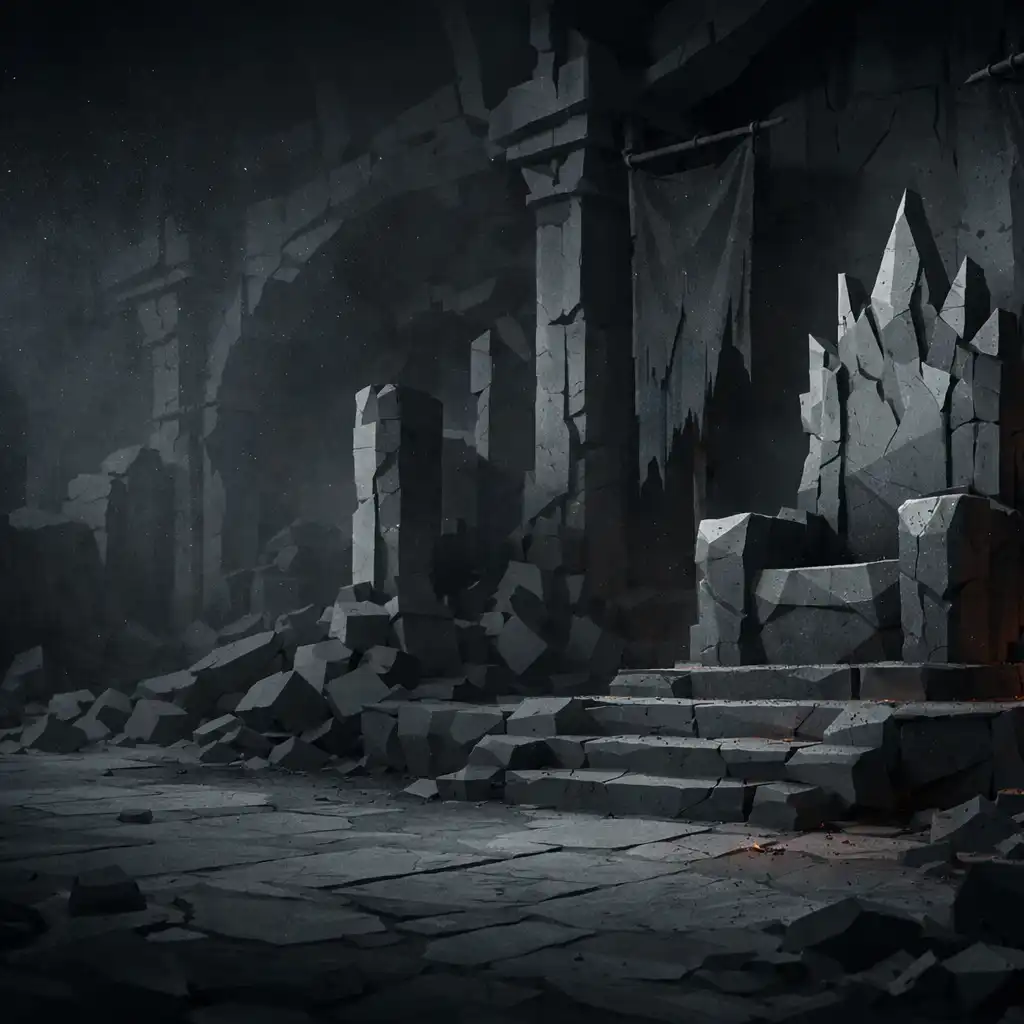
A weathered stone throne in a collapsed royal court.
World historyLong read10 min read

The language of abandoned thrones

Read thrones, seals, empty courts, and damaged ceremonial spaces as clues to authority, succession, and the power a decayed kingdom still performs after its rulers have gone.

Read story
Thematic essay9 min read

The monsters that carry memory

Creature design, inherited curses, folklore, and recurring enemies can hold emotional residue without closing off every possible reading.

Read story

Open all lore records and use the archive controls below to narrow the trail by format or subject.

Long-form reading

The long-read shelf

Longer pieces slow down for context, competing interpretations, and details that can be easy to miss on a first playthrough. They complement practical guides rather than replacing them, returning to spaces, dialogue, objects, routes, and recurring imagery to ask how a world teaches us to read it.

01

The world before the ruin

Begin with the surviving present, then work backwards through ruins, item descriptions, routes, and repeated symbols. A world history builds a possible earlier era from what remains, while leaving uncertainty visible where the game leaves a deliberate gap.

  • Read spaces and monuments as evidence.
  • Compare routes, remnants, and recurring signs.
Read a world history
02

A character at the edge of the story

Follow presence, absence, dialogue, encounter design, and relationships rather than reducing a figure to one explanation. When the evidence supports more than one reading, a character study keeps that tension alive.

What does this figure change in the world around them?

Read a character study
03

A symbol that will not disappear

Trace one image, rite, material, or creature motif across places and stories. Repetition can reveal a culture’s fears, beliefs, or inherited wounds, without declaring every returning visual element confirmed canon.

  • Follow motifs between play spaces.
  • Test meanings against the world around them.
Read a thematic essay
Archive principle

A note on reading the unknown

Many hardcore RPG and dark-fantasy worlds are powerful because they leave room for interpretation. Gamezoria lore writing distinguishes what can be observed in a game from the readings built from those observations. We encourage readers to compare clues, revisit locations, notice what changes between encounters, and reach their own conclusions. Ambiguity is not a flaw to be hurried past; it is often the trail that makes a return journey worthwhile.

“A theory is strongest when the trail remains visible.”

The Gamezoria archiveArticle pages should make the evidence trail easy to follow, even when a conclusion stays open.
Archive tools

Search the vault

Search titles and themes, or refine this page’s archive records by article form and subject. Filters affect the records in this vault and can be cleared whenever you want to return to the full selection.

Article form
Subject

Showing all lore records.

Archive desk

From the archive desk

Have a question worth carrying further? Suggest an overlooked location, a recurring motif, a troubled faction, or any dark-fantasy thread that deserves closer reading. Gamezoria uses reader leads as prompts for future research, reading lists, and archive curation. A useful lead does not need a finished theory; it only needs to explain what keeps drawing you back.

A lead may shape a future reading list, even when it does not become a full story. For a general enquiry, visit Contact.

A lore trail continues through places, people, and unresolved histories. Choose the next record that makes you stop, look again, and follow the mark a little further.